
What Insurance Covers Slip-and-Fall Accidents at Your Business?
A customer enters your store on a rainy day, shakes off their umbrella, and moments later, another customer slips on the puddle left behind. In an instant, you’re facing a potential lawsuit. Slip and fall liability is a serious concern for business owners across all industries, from cozy coffee shops to sprawling warehouses.
While you do your best to maintain a safe environment, accidents are sometimes unavoidable. Understanding which insurance policies protect your business when gravity takes over is crucial for your financial stability. Today, let’s take a look at what coverage you need to protect yourself from slip and fall liability when these unfortunate events occur.
Understanding Slip-and-Fall Accidents
In the insurance world, a slip-and-fall accident is defined as a premises liability claim where an individual trips, slips, or falls and sustains an injury due to a hazardous condition on someone else’s property. This legal concept holds business owners responsible for maintaining safe surroundings for anyone who enters the premises.
These accidents don’t only happen because of wet floors. Other common culprits include:
- Uneven pavement or flooring
- Poorly lit stairwells or hallways
- Loose rugs or carpeting
- Uncleared ice and snow in parking lots
While retail stores and restaurants see a particularly high volume of these incidents due to heavy foot traffic, no business is immune. Medical offices, warehouses, and even professional office buildings all face significant exposure to slip and fall liability claims.
The First Line of Defense: General Liability Insurance
For most businesses, general liability Insurance is the primary policy that responds to slip-and-fall claims involving non-employees (like customers, vendors, or delivery drivers).
If a third party is injured on your premises, your general liability policy typically covers:
- Medical Expenses: Immediate costs for the injured party, such as ambulance rides or hospital visits.
- Legal Fees: If the injured party sues, the policy covers the cost of hiring a lawyer to defend your business.
- Settlements or Judgments: If you are found liable, the policy pays the damages up to your policy limit.
According to the National Floor Safety Institute, falls account for over 8 million hospital visits each year. Without adequate slip and fall liability coverage, a single serious injury could financially devastate a small business.
Beyond General Liability: Other Essential Coverages
While General Liability is the foundation, it isn’t the only policy that plays a role in managing slip and fall liability.
Workers’ Compensation Insurance
General liability only covers third parties. If one of your employees slips on a wet floor while stocking shelves, that policy won’t help. In this scenario, workers’ compensation insurance is a mandatory coverage that steps in to cover their medical bills and lost wages while they recover.
Commercial Umbrella Insurance
Standard liability policies have limits. If a customer suffers a catastrophic injury—requiring long-term care or resulting in a massive lawsuit—the costs could exceed your general policy limits. Commercial umbrella insurance provides an extra layer of protection, kicking in once your primary liability limits are exhausted.
Commercial Property Insurance
Occasionally, the incident that caused the fall also damages your property. For example, if a shelf collapses, causing a customer to trip, your commercial property insurance would cover the damage to the shelf and merchandise (though not the customer’s injury).
What Isn’t Covered?
Insurance is a safety net, not a catch-all for negligence. There are specific situations where your slip and fall liability claim might be denied:
- Intentional Acts: If you intentionally cause someone to fall or work in unsafe conditions, insurance will not cover you.
- Known Hazards: If you knew about a dangerous condition (like a broken step) for months and did nothing to fix it, an insurer might argue gross negligence.
- Incidents Outside Policy Coverage Periods: You are only covered for incidents that occur while your policy is active. Lapsed policies or occurrences before your start date won’t be covered.
Your policy may also include other, more specific exclusions, so it’s important to go over your policy with an expert to make sure you understand its limitations.
Factors That Influence Your Coverage Limits
Not all businesses carry the same level of risk regarding slip and fall liability. Insurance providers look at several factors when determining your premiums and coverage limits:
- Foot Traffic: A busy grocery store has a higher risk profile than a private accounting firm.
- Industry: Restaurants and construction sites generally have higher premiums due to the nature of their work.
- Location Condition: An older building with uneven floors may be more expensive to insure than a newly constructed facility.
Reducing Your Risk
The best way to reduce slip-and-fall liability risk is to prevent it from happening. Protecting your coverage involves proactive risk management:
- Regular Inspections: Walk your premises regularly to identify loose tiles, spills, or lighting issues.
- Winter Maintenance: Have a plan in place for snow and ice removal before the storm hits.
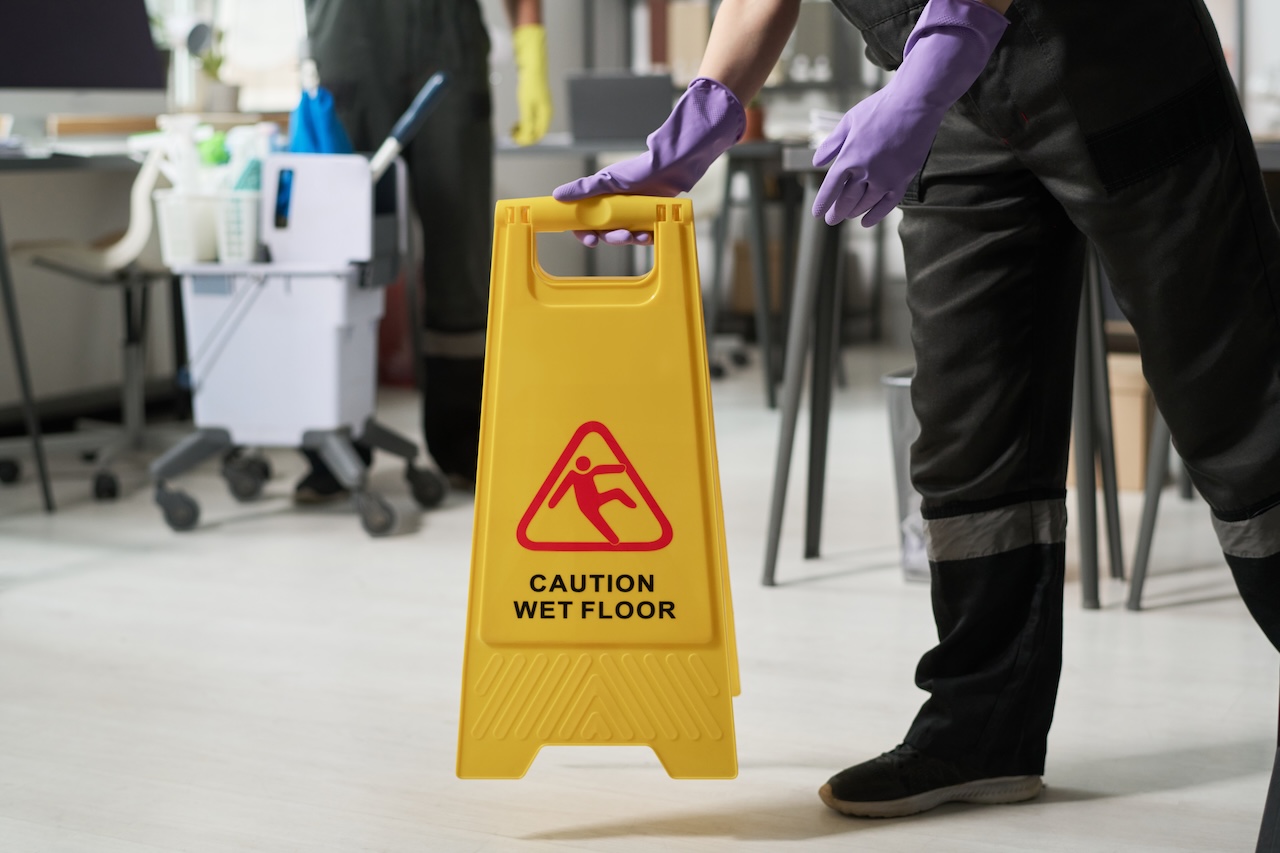
- Signage: Always use “Wet Floor” signs immediately after mopping or a spill.
Taking these steps not only keeps people safe but also demonstrates to insurers (and courts) that you take slip and fall liability seriously.
Don’t Slip Up on Insurance Coverage
A single misstep shouldn’t jeopardize everything you’ve built. At Bethany Insurance Agency, we specialize in helping business owners navigate the complexities of coverage to ensure you have the perfect mix of protection against the unexpected.
Don’t leave your company’s future to chance. Partner with Bethany Insurance today to review your current coverage and take advantage of tailored insurance solutions to keep you protected.